How to Read a Sewing Pattern for Beginners: 10 Easy Steps
You bought a sewing pattern. The envelope looks beautiful.
Then you open it.
A large sheet of paper covered with lines, arrows, and symbols. Small print everywhere. It feels like reading a map in a foreign language.
I have been there. Every beginner has been there.
The good news? Learning how to read a sewing pattern for beginners is not difficult. You just need someone to explain the basics clearly.
Let me be that person.
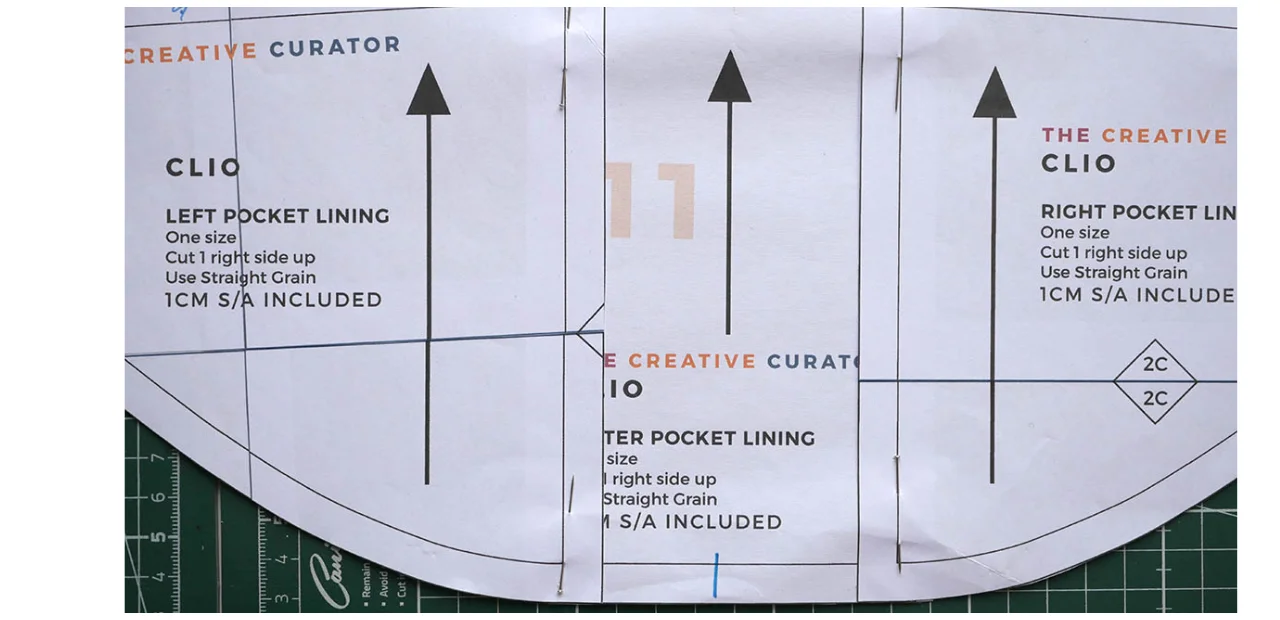
Table of Contents
Why Reading a Sewing Pattern Matters
A sewing pattern is your instruction manual.
It tells you:
- Which fabric to buy
- How much fabric you need
- Which size to cut
- Where to cut and sew
Skipping the pattern instructions or guessing what symbols mean leads to wasted fabric and frustration. Take fifteen minutes to understand the basics. It saves hours of mistakes later.

Part 1: Understanding the Pattern Envelope
Before you even open the pattern, the envelope gives you important information.
Front of the Envelope
The front shows a photo or drawing of the finished garment. This is your goal.
Look at the style lines, fit, and details. Different views (A, B, C, etc.) show different options like sleeve length or neckline style.
Back of the Envelope
This is where the real information lives.
Body Measurements: Find your size based on bust, waist, and hip measurements. Do not use your ready-to-wear size. Pattern sizes are different.
Fabric Suggestions: The pattern tells you which fabrics work best. Some patterns say “suggested fabrics” or “not suitable for.”
Notions: These are the extra supplies you need like zippers, buttons, elastic, or thread.
Finished Garment Measurements: This shows how loose or tight the final garment will be. Compare this to your body measurements.
Part 2: How to Choose Your Size
This is the most common mistake beginners make.
Do not cut the size you buy in a store. If you wear a medium t-shirt, you might need a size 14 or 16 pattern.
Step by Step
| Step | Action |
|---|---|
| 1 | Measure your bust, waist, and hips |
| 2 | Compare to the pattern’s body measurement chart |
| 3 | If measurements fall between sizes, choose the larger size |
| 4 | Trace the larger-sized lines on the pattern |
Pro tip: Do not cut your pattern. Trace it onto tracing paper or Swedish tracing paper. This way you can reuse the original pattern for different sizes.
Part 3: Pattern Symbols You Must Know
Pattern symbols look confusing at first. But there are only a few you really need to know.
| Pattern Symbol | Description | What It Means |
| Grainline Arrow | This looks like a long line with arrows at both ends. | Place this arrow parallel to the fabric’s selvage edge. This ensures your garment hangs straight and does not twist. |
| Size Lines | Different dotted or solid lines for each size. | Cut along the line for your size. The pattern includes multiple sizes nested together. |
| Notches | Small triangles or diamond shapes along the cutting line. | These help you match pieces together. When you sew a seam, match the notches on both pieces. |
| Darts | Diamond or triangle shapes with a point. | Darts shape the fabric around curves like the bust and waist. You sew along the lines to create shape. |
| Placement Lines | Dashed or solid lines marked “place on fold” or showing where to add pockets are common. | These show where to position details on your fabric. |
| Cutting Line | The outermost solid line. | Cut exactly on this line for your size. |
| Stitching Line | The dashed line inside the cutting line. | Sew along this line. Usually 5/8 inch inside the cutting line. |
| Adjustment Lines | Horizontal or vertical lines with double arrows. | Use these to lengthen or shorten the pattern for a better fit. |
Part 4: Understanding the Pattern Guide Sheet
The guide sheet is a large folded paper with written instructions and small diagrams.
What You Will Find
| Section | What It Shows |
|---|---|
| Pattern pieces list | All pieces included with names and numbers |
| Fabric layout | How to arrange pieces on your fabric |
| Cutting layout | Where to place each pattern piece |
| Sewing instructions | Step-by-step assembly |
| Diagram key | What each symbol means |
Do not skip reading the guide sheet before cutting. Read it completely once. Then read it again as you sew.
Part 5: Fabric Layout and Cutting Instructions
The guide sheet shows different layouts for different fabric widths (45 inches or 60 inches) and pattern views.
| Types of Layouts | Key Rules for Layout |
| With Nap Layout | Use this for velvet, corduroy, or one-way prints where the pattern has a direction. |
| Without Nap Layout | Use this for most solid fabrics or random prints. |
| Double Layer Layout | Fold your fabric in half with selvages together. |
| Single Layer Layout | Lay your fabric flat with one layer. |
| General Layout Rules | Fold the fabric with right sides together unless instructed otherwise. Match the grainline arrow to the fabric grain. Pin or weight pattern pieces in place. Cut smoothly without lifting the fabric. |
Part 6: Common Beginner Mistakes and How to Avoid Them
| Mistakes | What Happens | How to Avoid Them |
| Skipping the Body Measurements | You guess your size. The garment does not fit. | Measure yourself every time. Bodies change. Patterns vary. |
| Cutting the Wrong Size | You cut along the wrong line. The garment is too small or too big. | Trace your size line carefully. Use a highlighter on your size before cutting. |
| Ignoring the Grainline | You place the pattern crookedly. The finished garment twists. | Measure from the grainline arrow to the selvage. Make sure it is the same distance at both ends. |
| Not Reading Instructions First | You start cutting and sewing immediately. You miss important steps. | Read the entire guide sheet before doing anything. |
| Cutting the Original Pattern | You cut the original pattern and cannot use it for other sizes. | Trace the pattern onto tracing paper. Keep the original intact. |
Part 7: Pro Tips for Pattern Reading Success
| Pro Tip | What to Do | Why It Matters |
| Use a highlighter | Highlight your size line and cutting line. | Makes it easy to see what you are cutting. |
| Read the guide sheet twice | Read once for an overview and again step by step. | Helps avoid confusion and mistakes |
| Watch for Place on Fold | Keep the fold edge exactly on the fabric fold. | Ensures the pattern piece is cut correctly. |
| Check notches before cutting | Mark or cut notches outward carefully. | Helps match pieces accurately during sewing. |
| Label Your Cut Pieces | Write the piece name on each cut piece. | Prevents confusion while sewing. |
Part 8: Quick Reference – Pattern Symbols Cheat Sheet
| Symbol | Name | What It Means |
|---|---|---|
| ↔️ | Grainline | Place parallel to the selvage. |
| ▲ | Notch | Match these points together |
| ——— | Cutting line | Cut exactly here |
| – – – | Stitching line | Sew along this line |
| ◇ | Dart | Sew from the wide end to the point. |
| ⚫ | Button placement | Where to sew buttons |
| ☐ | Buttonhole | Where to sew buttonholes |
| 📏 | Adjustment line | Lengthen or shorten here |
Frequently Asked Questions
What is the easiest sewing pattern for a beginner?
Look for patterns marked “easy,” “quick,” “1 hour,” or “beginner.” Avoid patterns with zippers, buttonholes, or darts at first. Start with a simple skirt or pajama pants.
Why do pattern sizes not match store sizes?
Pattern companies use measurement standards from decades ago. Store sizes have changed (vanity sizing). Always use the body measurement chart, not your store size.
Can I use a pattern without cutting it?
Yes. Trace the pattern onto tracing paper or Swedish tracing paper. Keep the original pattern intact for other sizes or future use.
How do I know if my pattern needs a fabric with nap?
Look at the pattern envelope. If it says “with nap” layout, your fabric has direction. Velvet, corduroy, flannel, and one-way prints need a wide nap layout.
What does “cut on fold” mean?
Some pattern pieces show an edge marked “place on fold.” You fold your fabric, place that edge exactly on the fold, and cut. When you open the fabric, you have a fully symmetrical piece.
How do I fix a pattern that is too long or short?
Use the adjustment lines on the pattern. Cut along the line. Spread the pattern to lengthen or overlap to shorten. Tape the pieces back together. Keep the grainline straight.
Conclusion
Learning how to read a sewing pattern for beginners is like learning to read a map.
The first time, everything looks like random lines and symbols. But once someone explains the key symbols, it starts making sense.
Start with a simple pattern. Read the envelope. Find your size. Understand the grainline, notches, and darts. Trace your pattern instead of cutting it.
And remember: every experienced sewist struggled with patterns at first. You are not alone.
Ready to try your first pattern?
Pick a simple one. Read the instructions twice. Take your time. You have got this.
Happy sewing!
— Sobia


